How to Store a Home Battery Safely for Optimal Performance?

Time:2026-05-22 Author:Charlotte
0%

Storing a home battery is crucial for its performance and longevity. Proper storage ensures safety and efficiency, allowing homeowners to maximize their energy resources. Many people overlook this aspect, leading to potential hazards and decreased battery life.

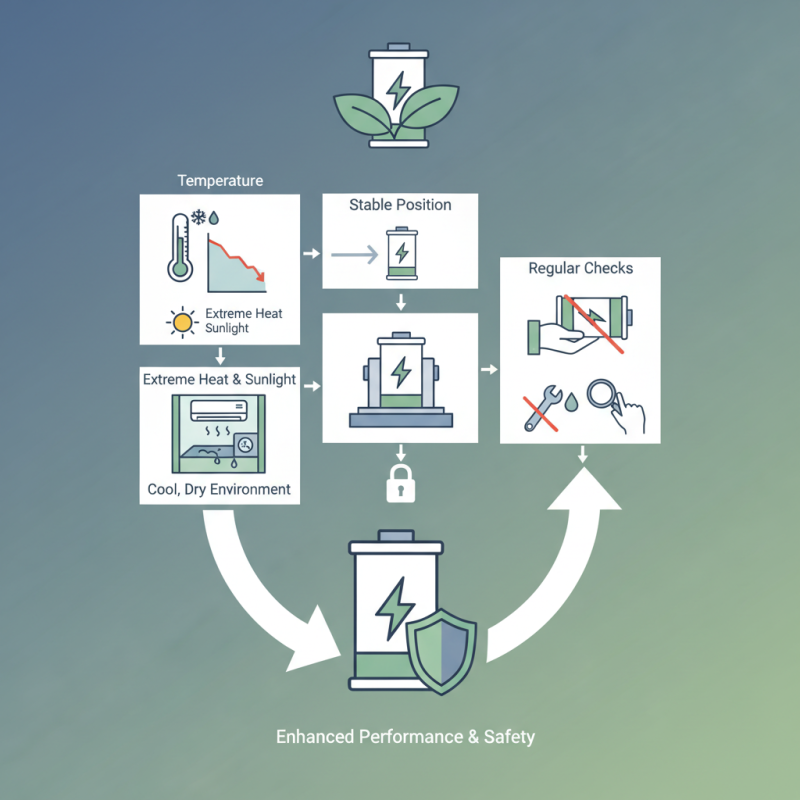
When exploring how to store a home battery safely, consider several factors. First, focus on temperature. Batteries operate best in cool, dry environments. Humidity and extreme temperatures can reduce efficiency. It's vital to avoid placing batteries near direct sunlight or heat sources.

Another critical point is securing the battery in a stable position. This reduces the chance of physical damage. Regularly checking for leaks or corrosion also contributes to safety. While many may think that these precautions are excessive, they significantly enhance battery performance and overall safety. Taking these steps is part of responsible home energy management.
How to Store a Home Battery Safely for Optimal Performance?

How Temperature Affects Home Battery Performance and Lifespan

Temperature significantly impacts home battery performance and lifespan. The ideal temperature range for most home batteries is typically between 20°C and 25°C. Above or below this range can lead to decreased efficiency and potential damage. A study by the Department of Energy found that operating batteries at high temperatures, such as 35°C, can reduce their lifespan by up to 30%. Heat causes accelerated chemical reactions that can lead to battery degradation.

Conversely, low temperatures can also be detrimental. At temperatures below 0°C, a battery's capacity can drop by as much as 50%. This results in reduced power output and inefficiencies during charging. Homeowners should strive to maintain a stable temperature environment for their batteries. Insulation around the battery storage area can help achieve this.

Monitoring temperature is essential. Many modern batteries come with built-in thermal management systems. However, external influences can still affect them. Regularly checking the temperature can prevent problems. It is not uncommon for homeowners to overlook this aspect until a performance issue arises. Proper awareness and proactive measures can mitigate many temperature-related issues.

Recommended Storage Conditions for Different Types of Home Batteries

When it comes to storing home batteries, understanding the recommended conditions for each type is crucial. Lead-acid batteries thrive in a cool, dry environment with temperatures between 32°F and 80°F. Avoid extreme temperatures. High heat can reduce their lifespan. For optimal performance, ensure they are stored upright and away from moisture.

Lithium-ion batteries are another common option. They prefer temperatures between 40°F and 60°F. This range helps maintain their capacity and longevity. It's essential to keep them at a partial charge, about 40-60%. If stored fully charged, they may degrade faster. Also, keep these batteries away from metal objects that could cause short circuits.

Nickel-based batteries require different care. Store them in a dry space, ideally at 60°F. They are less sensitive to temperature fluctuations but still need attention. Monitor their charge level regularly. A little neglect can lead to reduced performance. Each battery type has its own quirks. Understanding these can enhance safety and efficiency.

Best Practices for Charging and Maintaining Home Batteries

Proper maintenance of home batteries directly impacts their longevity and performance. Start by charging your battery regularly, keeping it within the recommended charge level. This helps maintain optimal health. Avoid deep discharges. Drawing the battery down too low can shorten its life significantly. It’s best to recharge it when it reaches about 20-30% capacity.

Temperature control is crucial. Store batteries in a cool, dry place, ideally between 50°F and 85°F. Extreme temperatures can damage battery chemistry. High heat may lead to swelling or leaking, while freezing temperatures can hinder performance. Additionally, it's essential to check the battery's terminals every few weeks. Clean off any corrosion to ensure proper connections.

Document your battery’s performance. Keeping a log of charge cycles offers insights into its condition. This practice helps identify patterns, which may signal when replacement is necessary. While it’s easy to overlook small issues, regular checks prevent larger problems down the line. Remember, a little maintenance goes a long way in ensuring your battery meets your energy needs efficiently.

How to Store a Home Battery Safely for Optimal Performance? - Best Practices for Charging and Maintaining Home Batteries

Best Practice Description Recommended Range
Temperature Control Store batteries in a cool, dry place to prevent overheating and prolong lifespan. 32°F to 77°F (0°C to 25°C)
Charge Maintenance Keep battery charged between 20% and 80% for optimal longevity. 20% to 80%
Regular Checks Perform periodic checks on battery health and connections to ensure performance. Every 3-6 months
Proper Ventilation Ensure the storage area is well-ventilated to prevent gas buildup. N/A
Avoid Full Discharges Avoid depleting the battery to 0%, which can damage the cells. Never below 20%

Common Risks and Safety Precautions for Home Battery Storage

Storing a home battery safely is crucial for optimal performance. Common risks include thermal runaway, fire hazards, and chemical leaks. According to the National Fire Protection Association, around 1,500 battery-related incidents occur annually in the U.S. alone. Understanding how to mitigate these risks can enhance safety significantly.

Firstly, proper ventilation is essential. Batteries need airflow to prevent overheating. A poorly ventilated space can lead to increased temperatures, triggering thermal events. It’s important to avoid placing batteries near flammable materials. Keep them away from direct sunlight and moisture. Additionally, battery chemistry plays a role in storage safety. Lithium-ion batteries, widely used in home energy storage, can be particularly sensitive. Research shows they represent over 90% of residential battery systems.

Regular maintenance checks are crucial. Inspect connections for corrosion or looseness. Monitoring temperature can help identify issues before they escalate. Keeping batteries charged between 20-80% can prevent stress on the system. Neglecting these practices may lead to diminished performance or even hazards. Safety in battery storage is not just about following instructions but being aware and proactive.

Regulatory Standards and Guidelines for Home Battery Safety

When it comes to home battery safety, understanding regulatory standards is crucial. Home batteries must comply with local and national safety guidelines. These regulations help ensure that batteries are stored correctly to minimize risks. For instance, batteries should be kept in an environment with controlled temperature and low humidity. Extreme temperatures can impact battery life and performance.

Tips: Always check for local regulations. Research permits or safety guidelines before installation. Batteries should be installed away from flammable materials. This precaution reduces potential hazards significantly.

Consider the proper ventilation around your battery storage area. Good airflow is essential for safety and efficiency. Batteries that overheat can lead to chemical leaks. Regular maintenance checks are vital. These checks can catch any potential issues before they become serious problems.

Storing batteries safely involves following best practices and respecting regulatory standards. Each step taken enhances safety and battery performance. Engaging with these regulations benefits you and your surrounding community.

FAQS

: How does temperature affect home batteries?

: Temperature impacts battery performance. The ideal range is 20°C to 25°C; outside this, efficiency drops.

What happens to batteries in high temperatures?

High temperatures, like 35°C, can reduce battery lifespan by up to 30%. Heat accelerates chemical reactions.

Can low temperatures harm batteries?

Yes, below 0°C, batteries can lose up to 50% capacity. This leads to reduced power output.

How can I maintain a stable temperature for batteries?

Insulate the battery storage area. Regularly check the temperature to avoid performance issues.

What storage conditions do lead-acid batteries require?

Store lead-acid batteries in a cool, dry place. Ideal temperatures are between 32°F and 80°F.

How should lithium-ion batteries be stored?

Store lithium-ion batteries at 40°F to 60°F, at a partial charge of 40-60%, to prolong lifespan.

What are the risks of home battery storage?

Risks include thermal runaway, fire hazards, and chemical leaks. Proper safety measures are essential.

Why is ventilation important for battery storage?

Batteries need airflow to prevent overheating. Poor ventilation can lead to dangerous thermal events.

What should I regularly check in my battery system?

Inspect connections and monitor the temperature. Regular checks help identify issues before they worsen.

How can I ensure battery safety during storage?

Keep batteries away from flammable materials, direct sunlight, and moisture. Stay proactive and aware.

Conclusion

Storing a home battery safely is essential for optimizing its performance and lifespan. Temperature plays a crucial role, as extreme highs or lows can negatively impact battery efficiency. It's important to identify the recommended storage conditions specific to the type of home battery in use. Keeping batteries in a cool, dry place with stable temperatures can greatly enhance their longevity.

Additionally, employing best practices for charging and regular maintenance is vital for ensuring safety and performance. Users should also be aware of common risks associated with home battery storage, including potential leaks or fires, and take necessary precautions to minimize these hazards. Adhering to regulatory standards and guidelines further helps ensure that home batteries are stored and used safely, allowing for optimal functionality. Thus, knowing how to store a home battery safely is key to maximizing its benefits and protecting your home.

Charlotte

Charlotte

Charlotte is a seasoned marketing professional with a deep understanding of the company's portfolio and a passion for elevating its presence in the market. With a keen eye for detail and a commitment to excellence, she ensures that our professional blog is regularly updated with insightful articles......