As the demand for sustainable energy solutions grows, understanding what affects the price of home solar batteries becomes crucial for homeowners. Dr. Emily Carter, a leading expert in renewable energy technologies, points out, “Market dynamics, materials, and technology advancements shape battery prices.” Her insights highlight the complex landscape of factors influencing costs.
In 2026, several key elements will impact solar battery pricing. For instance, the rise in raw material costs can directly affect the final price. The availability of lithium and cobalt, essential components, plays a significant role. Furthermore, technological innovations can lead to more efficient batteries, but they often come with higher initial costs. Companies investing in research may pass these expenses onto consumers.
Moreover, government policies will play an essential role in shaping the market. Incentives for solar technology can lower prices, while tariffs on imported components may increase them. As these variables evolve, consumers must stay informed to make educated decisions. Understanding what affects the price of home solar batteries is not just beneficial – it's necessary for future planning.
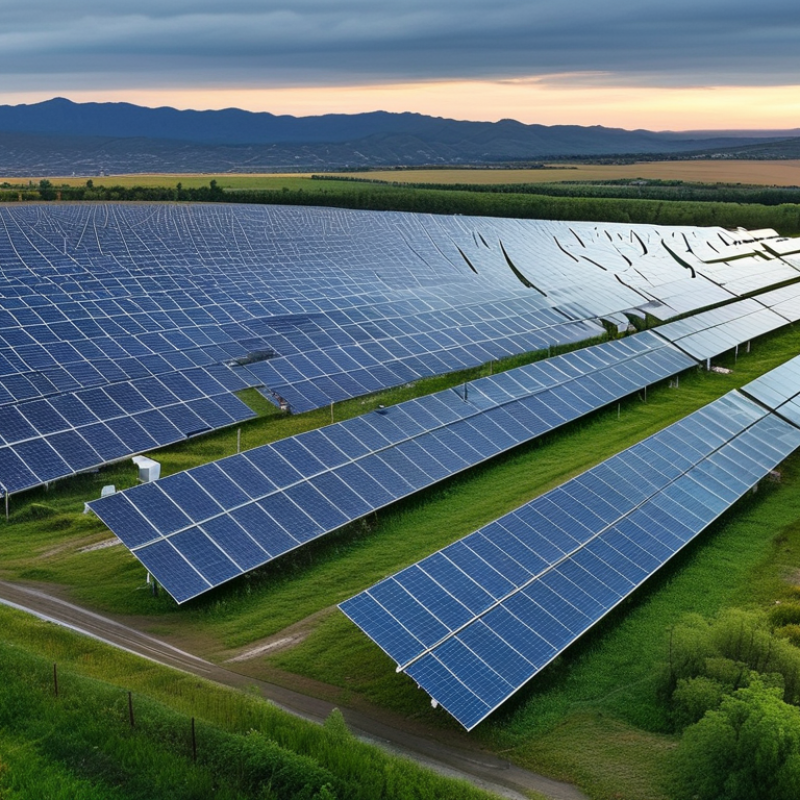
Factors Influencing Manufacturing Costs of Solar Batteries in 2026
The manufacturing costs of solar batteries are influenced by several key factors. Material prices play a significant role. Lithium, nickel, and cobalt are essential components. Fluctuations in these material costs can dramatically affect overall battery pricing. Supply chain issues, such as mining restrictions or geopolitical tensions, also add complexity to production expenses.
Labor costs and technological advancements are critical as well. Skilled labor is necessary for efficient battery assembly. If labor expenses rise, it could impact retail prices. Innovative manufacturing techniques often improve efficiency. However, these technologies require investment, which may lead to higher upfront costs.
Additionally, market demand influences pricing. As more consumers shift to solar energy, demand for batteries increases. This could drive up costs if production does not keep pace. The interplay of these factors reflects a complex landscape. Understanding these elements is crucial for predicting future solar battery prices. It's essential to continually assess this evolving market.
Market Demand Trends for Solar Batteries in the Home Energy Sector
The demand for solar batteries in the home energy sector is rapidly increasing, shaping market trends for 2026. Homeowners are seeking ways to enhance energy independence and reduce electricity costs. This surge in demand influences pricing significantly. As more consumers adopt solar solutions, the urgency for efficient energy storage grows.
Market trends indicate a pivot towards sustainable living, driven by environmental concerns. Homeowners prioritize solar batteries to store excess energy for later use. With energy prices fluctuating, having a reliable energy source becomes critical. This demand pushes manufacturers to innovate, yet not all innovations lead to lower prices. In fact, quality and efficiency can result in higher costs, reflecting the product's effectiveness.
Certain challenges remain in the solar battery market. Although technology is advancing, affordability is still a concern for many homeowners. The balance between cost and performance can create hesitation, affecting wider adoption. Furthermore, the lack of uniform standards complicates consumer choices, sometimes leading to confusion. These complexities illustrate the evolving nature of the solar battery market in 2026.
Factors Influencing Home Solar Battery Prices in 2026
This chart illustrates the key factors affecting home solar battery prices in 2026, with their respective impact on pricing expressed as a percentage. Raw material costs constitute the largest portion, followed by manufacturing costs and market demand.
Impact of Technological Advancements on Solar Battery Pricing
The future of home solar battery prices in 2026 will be significantly shaped by technological advancements. Innovations in battery chemistry, design, and energy management systems are crucial. Research indicates that new technologies, such as solid-state batteries, could enhance energy density by up to 50%. This increase means homeowners may require fewer batteries to store the same amount of energy, directly impacting costs.
Additionally, the integration of artificial intelligence (AI) into solar energy management is poised to optimize energy consumption. AI algorithms can predict energy use patterns, which can lead to smart charging strategies for batteries. According to a recent industry report, AI-driven systems could reduce overall battery costs by approximately 15% through improved efficiency. However, the rapid pace of technological evolution can create uncertainty in pricing.
Despite these advancements, challenges remain. Not all technologies are mature, leading to variability in market adoption. Furthermore, the supply chain for raw materials like lithium is under pressure, affecting production costs. Some experts predict that price volatility could be a significant hurdle, urging consumers to stay informed. Balancing innovation with practical affordability remains key as we look toward 2026.
Government Policies and Incentives Affecting Solar Battery Costs
Government policies play a crucial role in shaping the landscape of solar battery prices. By 2026, various incentives are projected to significantly reduce costs. According to the Solar Energy Industries Association (SEIA), tax credits and rebates can lower the upfront investment in solar battery systems by as much as 30%. These incentives encourage more households to adopt solar technology, driving demand and, ultimately, influencing price trends.
Regional policies also matter. Some states offer additional grants or financing options for energy storage systems. The Database of State Incentives for Renewables & Efficiency (DSIRE) reports that states like California and New York have implemented strong incentives. In contrast, less supportive policies in some regions could stifle adoption. This disparity leads to price fluctuations and varying accessibility across different markets.
However, the reliance on government support poses risks. Incentives may change with political climates. If funding decreases, it could result in higher prices. Industry experts caution consumers to consider the potential impacts of shifting policies. An unpredictable regulatory environment could challenge the affordability of solar batteries for many homeowners.
Global Supply Chain Dynamics and Their Effect on Solar Battery Prices
The pricing of home solar batteries in 2026 will be influenced by various global supply chain dynamics. The International Energy Agency (IEA) reports that the demand for solar battery storage is expected to grow significantly, driven by renewable energy adoption. This demand, along with supply chain disruptions, can lead to fluctuating prices. For instance, a report from Bloomberg New Energy Finance indicates that battery prices may rise by 10-15% due to raw material scarcity.
High lithium prices are a primary concern. Over the past year, lithium carbonate prices have increased fivefold, impacting production costs. The production of solar batteries requires substantial amounts of lithium, cobalt, and nickel. Supply chain issues in mining and processing these materials can create bottlenecks. In 2026, experts predict that sourcing materials sustainably will be crucial.
Tips: Consider local incentives for solar installation. These can offset some costs, providing savings in the long run. Researching material sourcing can reveal which companies prioritize sustainability. Also, remember that price stability may emerge as new technologies and sources develop. This aspect of the industry requires close monitoring for anyone considering an investment.
FAQS
: Homeowners want more energy independence and lower electricity costs.
Increased adoption may drive prices up due to quality and efficiency.
Yes, affordability remains a key concern for many homeowners.
Incentives can lower upfront costs significantly, making solar batteries more accessible.
Supportive policies in states can enhance accessibility, while weak policies may hinder it.
Changes in political climates may reduce funding, resulting in higher prices.
The balance between cost and performance can create uncertainty.
No, lack of uniform standards can complicate consumer choices.
Unstable energy prices increase the need for reliable energy storage.
It will continue evolving, but challenges like affordability and standards remain.
Conclusion
The article titled "What Factors Determine Home Solar Battery Prices in 2026?" explores various elements that influence the pricing of solar batteries for residential use. Key factors include the manufacturing costs driven by raw material prices and production efficiencies, which are expected to fluctuate due to market dynamics. Additionally, as the demand for home energy solutions increases, the market trends will consequently impact the pricing structure.
Technological advancements are also pivotal, as innovations can lead to more efficient batteries, potentially lowering costs in the long run. Furthermore, government policies and incentives play a significant role, as supportive legislation can reduce financial barriers for consumers. Lastly, global supply chain dynamics affect availability and cost, highlighting the interconnected nature of the market. All these aspects contribute to understanding what affects the price of home solar batteries, providing insights for consumers and industry stakeholders alike.

 Sliver Battery