Understanding "What causes a solar battery to stop working" is crucial for optimizing solar energy systems. According to a report by the Solar Energy Industries Association (SEIA), nearly 25% of solar batteries fail prematurely. This issue can arise from several factors, including temperature extremes, improper installation, or battery age.
Expert Mark Jones, a leading figure in solar battery technology, emphasizes the complexities of these systems. He states, “The life of a solar battery hinges on factors beyond just its capacity.” Inaccurate charging practices often lead to unexpected failures, highlighting the importance of following manufacturer guidelines.
Monitoring solar battery performance is vital for homeowners. Detecting early signs of dysfunction can save time and money. Users frequently overlook routine maintenance, which can lead to unforeseen issues. By understanding the causes behind battery failure, consumers can make informed decisions to enhance the longevity of their solar systems.
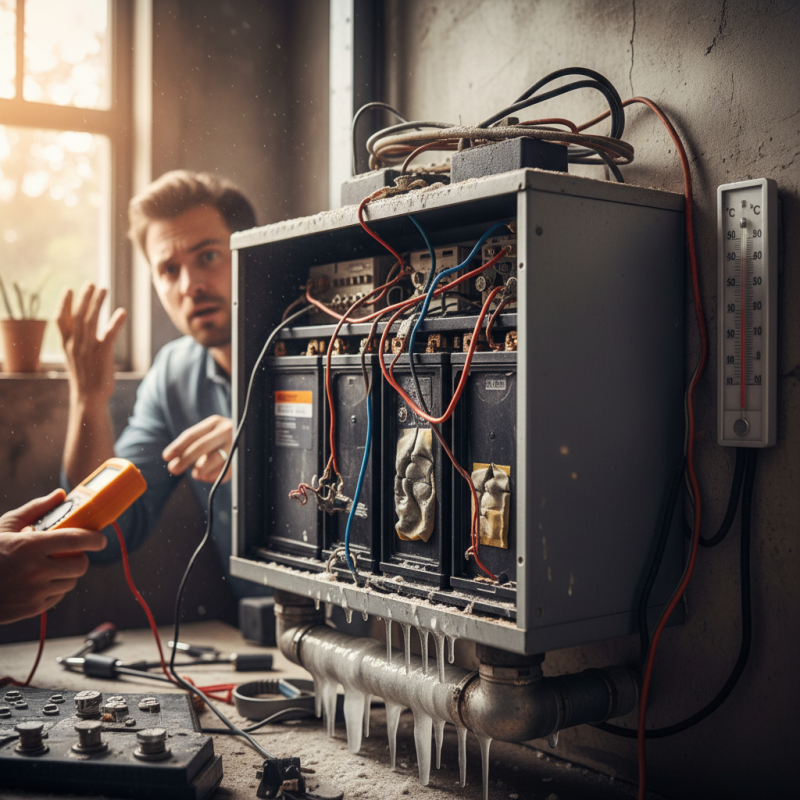
Solar batteries are essential for maximizing the benefits of solar energy. However, they don't always perform as expected. Common reasons for solar battery failure include improper installation, age, and temperature fluctuations. If the batteries are not installed correctly, they may fail to charge fully or discharge when required. Regular monitoring is key to ensuring optimal performance.
Aging is another significant factor. Over time, all batteries lose capacity. This loss can be accelerated by extreme temperatures or frequent cycling. High heat can cause batteries to degrade faster than usual, while cold weather can reduce the capacity to store energy. It's crucial to consider the environment when assessing battery performance.
**Tips:** Regularly inspect your solar battery system. Look for any physical damage and connections that may be loose. Adjust your charging settings based on seasonal changes. If the battery shows signs of failure, consult an expert. It’s better to address issues early than to face unexpected failures later.
| Cause of Failure | Description | Potential Fix |
|---|---|---|
| Overcharging | Excessive voltage can lead to battery swelling or leakage. | Install a charge controller to regulate the voltage. |
| Deep Discharge | Draining the battery too much can cause irreversible damage. | Use a battery management system to prevent deep discharge. |
| Temperature Extremes | High or low temperatures can affect battery performance. | Ensure batteries are installed in a temperature-controlled environment. |
| Old Age | Batteries have a life span; typically 5-15 years depending on type. | Replace batteries after the end of their life cycle. |
| Corrosion | Corrosion can occur at terminals affecting connections. | Clean terminals regularly and apply anti-corrosive spray. |
: Improper installation, age, and temperature fluctuations are common reasons.
If not installed correctly, batteries may fail to charge fully or discharge when needed.
Batteries lose capacity over time, which can speed up due to extreme temperatures or frequent cycling.
High heat can degrade batteries faster, while cold weather reduces their energy storage capacity.
Regularly inspect for damage and loose connections. Adjust charging settings with seasonal changes.
Sulfation occurs when lead sulfate crystals form, significantly reducing battery capacity.
Overcharging can cause overheating and damage. A quality charge controller can help prevent this issue.
Seek help if you notice swelling, leakage, or unusual noises. These can indicate serious problems.
If a battery fails to hold a charge or performs erratically, it may need replacement.
Regular testing helps identify failing batteries early, which is critical for system efficiency.
Solar batteries are essential for storing energy from solar panels, but various factors can lead to their failure, prompting the question, "What causes a solar battery to stop working?" Common reasons include aging, overcharging, deep discharging, and environmental conditions. Identifying signs such as reduced performance, strange noises, or error codes can help in recognizing a malfunctioning battery.
To address these issues, it’s important to follow a systematic diagnosis, checking connections and voltage levels before considering replacements. Effective solutions often involve reconditioning the battery or adjusting charging practices. However, if problems persist, seeking professional help is advisable to prevent further damage and ensure the longevity of your solar energy system. Understanding these aspects is crucial for maintaining efficient solar battery functionality.

 Sliver Battery